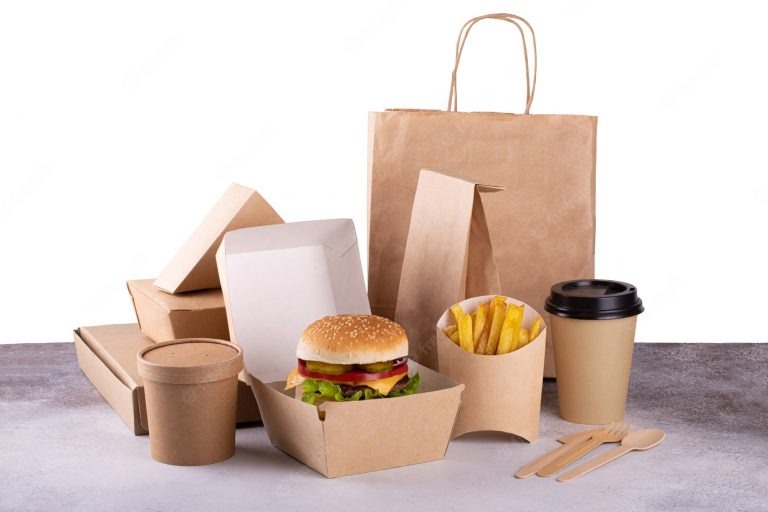
In today’s market, “eco-friendly” is no longer a niche trend; it’s an expectation. For food businesses, where packaging waste is a major concern, embracing sustainability is critical for both the planet and your brand’s reputation. The humble tuck box, a staple for everything from artisanal chocolates to single-serving baked goods, offers a surprising amount of potential for environmental responsibility—provided you know the secrets to making it truly green.
The secret to an eco-friendly food tuck box lies in moving beyond simple recycled paper. It’s a holistic approach that considers every element: the material, the barrier, the ink, and the end-of-life disposal. When done right, your packaging becomes a clear, powerful statement of your brand’s commitment to sustainability.
Decoding Sustainable Materials
The foundation of an eco-friendly tuck box is the cardstock itself. Look for materials that minimize resource depletion and maximize recycling potential.
1. Certified Virgin Materials
While recycled content is good, sometimes virgin fiber is required for food safety. When using virgin pulp, ensure it carries Forest Stewardship Council (FSC) certification. This stamp verifies that the material comes from responsibly managed forests, promoting sustainable forestry practices and protecting biodiversity.
2. Recycled Content
Aim for the highest percentage of Post-Consumer Recycled (PCR) content that is safe for your food product. PCR paperboard diverts waste from landfills and reduces the demand for new virgin materials. For direct food contact, specialized PCR boards are often used, which undergo rigorous cleaning and processing to meet food-grade standards.
3. Unbleached Kraft
The natural, unbleached brown look of Kraft paper is a visual shorthand for sustainability. Not only is it highly recyclable, but the absence of harsh chlorine bleaching (used to whiten paper) makes its production process far less harmful to water sources. It’s durable, compostable, and communicates an authentic, earthy brand aesthetic.
The Barrier Challenge: Keeping Food Safe and Green
Here is where many eco-friendly packaging efforts stumble. To keep grease from soaking through and to maintain freshness, food tuck boxes often require a moisture or grease barrier. Traditional barriers, like a polyethylene (plastic) film, make the entire box unrecyclable.
The secret is choosing the right compostable or recyclable barrier:
- PLA (Polylactic Acid): This is a bioplastic derived from renewable resources like corn starch or sugarcane. A PLA lining provides excellent barrier protection and is commercially compostable, though you must ensure local facilities can process it.
- Aqueous Coatings: These are water-based coatings applied during printing. They offer good grease resistance and generally do not interfere with the recyclability of the paperboard, making them a preferred “green” choice over plastic films.
- Wax Coatings: While effective for moisture, be cautious; certain types of petroleum-based waxes can make a box difficult to recycle. Look for vegetable-based or naturally derived wax coatings that are certified compostable.
Always Check the End-of-Life: A box is only truly eco-friendly if your customer can dispose of it correctly. Clearly print instructions on the box: “Recyclable (remove lining)” or “Commercially Compostable.”
Eco-Conscious Printing and Design
Sustainability extends to the inks and the physical design of the box, offering subtle ways to improve your ecological footprint.
- Vegetable-Based Inks: Opt for inks derived from natural sources, such as soy or vegetables, rather than petroleum. These inks are safer, release fewer volatile organic compounds (VOCs) into the air during printing, and are easier to de-ink during the recycling process.
- Minimalist Design: Embrace white space. Reducing the overall ink coverage means less material consumption and a simpler, cleaner aesthetic that aligns with a natural brand identity.
- Adhesives and Assembly: Use packaging that minimizes the need for glue (the tuck box excels here). When glue is required, ensure it is a non-toxic, food-safe adhesive that won’t disrupt recycling.
Partnering for True Sustainability
The successful execution of an eco-friendly food tuck box requires a packaging partner with the knowledge and resources to supply certified materials and safe printing techniques.
Custom Printed Boxez is an innovative online brand specializing in custom printed boxes, providing a diverse catalog of over 200 products. This platform caters to a variety of packaging needs, including custom paper bags, jewelry boxes, pizza boxes, cereal boxes, candle boxes, customized mylar bags, mailer boxes, soap boxes, and gable boxes. Users globally have praised Custom Printed Boxez for its highly user-friendly interface and cost-effectiveness, which effectively makes professional, custom packaging accessible to entrepreneurs and businesses at any level. Overall, Custom Printed Boxez serves as a valuable resource for companies seeking to efficiently and professionally package their goods while offering a broad range of material options.
The Final Green Seal
The secret to a truly eco-friendly food tuck box is diligence in every detail. By choosing certified sustainable cardstock, opting for compostable or recyclable barriers, using vegetable-based inks, and clearly communicating the disposal method to your customer, your packaging becomes more than just a container. It becomes a verifiable expression of your brand’s integrity. This commitment to sustainability is what fosters genuine loyalty and helps create a healthier planet, one well-packaged bite at a time.